

First Aid for Opioid Overdose

An opioid overdose occurs when a person takes a large amount of opioids and their body ceases to function normally, or experiences an adverse reaction.
The term “opioid” refers to a variety of natural and synthetic compounds that are regularly prescribed for pain relief.
It is important to know first aid for opioid overdoses, as casualties can cease breathing in a matter of minutes.
Opioids are a variety of natural and synthetic compounds that are derived from the poppy seed, including heroin, morphine, and fentanyl.
Opioids react with opioid receptors in the brain, which regulate the body’s sense of pain and reward, and so have analgesic and sedative effects.
As opioids can also cause euphoria, they are often taken for non-medicinal reasons and can lead to dependence.
People can overdose on opioids if their body is not used to it, or if they take a combination of substances at the same time.
This includes people who resume taking opioids after a period of abstinence, and whose tolerance to the drug has been reduced.
Opioids taken in too high a dose can depress breathing, thereby leading to slow, shallow breaths that cannot sustain life.
It a casualty takes opioids and begins exhibiting the following signs and symptoms, they may be experiencing an opioid overdose:
We have also a First Aid Chart that can be downloaded and printed in A2 size or smaller.
The following first aid courses look at opioid overdose:
June 15, 2022
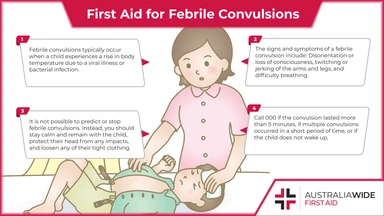
A febrile convulsion is a fit or seizure that can occur when a child experiences a fever. It is important to know first aid for febrile convulsions, so that you can reduce your child’s discomfort.
June 14, 2022
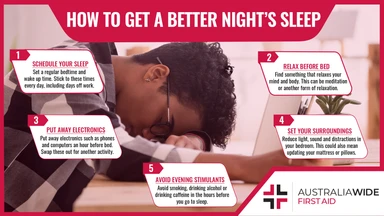
Many people are deprived of good quality sleep. This is concerning, as sleep is essential to our physical and mental wellbeing. Improving the quality of your sleep is as simply as changing a few lifestyle habits.

August 24, 2020
Let the person know you care about their welfare. Ask if they are thinking of taking their own life in a gentle manner that invites discussion about it. There is plenty of evidence to show that, in most cases, people contemplating suicide don’t really want to die. Helping them to open up and be heard is important.