

First Aid Treatment for Burns & Scalds

Superficial burns or scalds affect the outer layer of your skin, causing redness and pain, sometimes blistering.
Deeper burns often exhibit mottled shades of red and white, also with blisters on the skin, and the pain is also pronounced.
Extreme burns — known as full thickness burns — cause damage all the way to the layer of fat beneath the skin
A scald is tissue damage caused by hot water. A burn is tissue damage from a more direct heat source, such as a stove or an iron, or the sun. It can also be caused by contact with electricity, or chemicals.
Burns and scalds can result from a wide range of causes. Some common ones include:
Superficial burns or scalds affect the outer layer of your skin, causing redness and pain, sometimes blistering.
Deeper burns often exhibit mottled shades of red and white, also with blisters on the skin, and the pain is also pronounced.
Extreme burns — known as full thickness burns — cause damage all the way to the layer of fat beneath the skin. They can appear brown, white or even black, and have a leathery and dry feel to the touch. A full thickness burn can damage or destroy nerve cells, so pain might not be felt.
If fire is the source, roll the victim on the ground to snuff out the fire. If a fire blanket is available, use it to cover the person and suffocate the flames. If the source is an electrical current, turn off the power. When chemicals are the cause, remove contaminated clothing and apply water to the affected area. If the chemical burn has been caused by dry chemicals, first brush off the chemicals before applying water to the area.
Call an ambulance or go straight to the emergency department if the any of the following has occurred:
After a deep burn or scald, complications can lead to sepsis, a blood infection, scarring, and even damage to bones or joints.
Accredited first aid training is highly recommended if you’d like to build your confidence in treating and managing burns and scalds.
Tips to prevent burns or scalds occurring in the home:
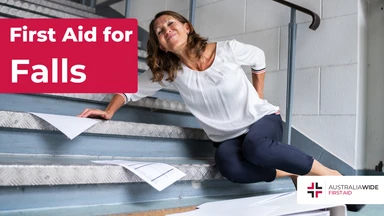
March 6, 2025
Falls are one of the most common causes of injury, particularly among children and older adults. Whether it’s a simple trip or a serious fall from height, knowing how to administer first aid can prevent further injury and, in some cases, save a life.
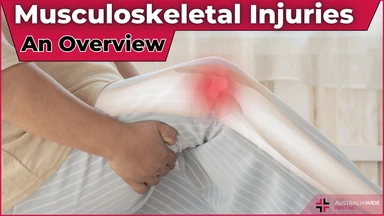
October 1, 2024
The musculoskeletal system is the foundation of human movement, support, and protection, playing a critical role in our ability to perform everyday tasks. Understanding the components and functions of the musculoskeletal system is essential for preventing injuries and managing conditions that may arise, particularly in workplaces where manual handling tasks are common.
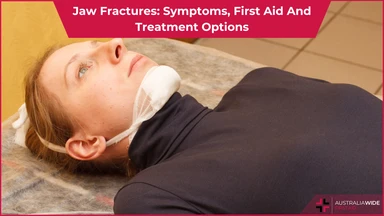
August 28, 2024
A jaw fracture is a break or crack in the jawbone. This type of injury can occur due to various reasons and may result in considerable pain and difficulty in performing everyday activities like eating and speaking.