

Heart Attack in Men – Signs & Symptoms

Men are more likely than women to have a heart attack, as well as more likely than women to have a heart attack earlier in life.
A family history of heart disease, high blood pressure, or high blood cholesterol is not uncommon in Australia. Other risk factors might also be present in men, such as cigarette smoking or obesity.
Pre heart attack symptoms occur in 50% of people who have heart attacks, according to the Society of Cardiovascular Patient Care.
Each heart attack is unique and symptoms can vary from person to person. Do not ignore early symptoms. Even when you’re not sure, seek emergency care right away. The first 2 hours following a heart attack is when 85% of heart damage occurs.
An electrocardiogram can analyse the heart’s electrical activity. The ECG can therefore detect that a silent heart attack has occurred. Other symptoms attributed to flu, stress or tiredness could also have been present:
After a silent heart attack, fatigue can come on sooner and exercise may become more difficult. Contributing factors for silent heart attacks include diabetes, previous heart attack history, high blood pressure, high cholesterol, smoking, and body weight.
Ask your doctor to test the condition of your heart if you have cardiac risk factors. You’ll have a better chance of staying on top of your heart health by scheduling regular medical check-ups and following a care plan. Learning to recognise the symptoms will also help you avoid the likelihood of severe heart damage from a heart attack by taking quick and decisive action. Disclaimer: This article is for informational purposes only. It does not constitute, replace, or qualify as any form of first aid training.
November 18, 2021
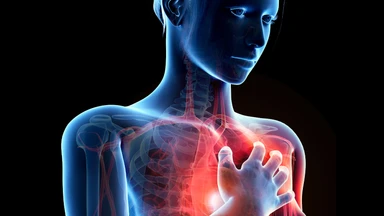
The most common symptom for heart attack in women is chest pain (angina) or discomfort. Women are more likely than men to experience other common symptoms, in particular shortness of breath, nausea, vomiting, back pain or jaw pain. If you experience any symptom of heart attack, even when you’re not sure, seek emergency care immediately.
November 19, 2021
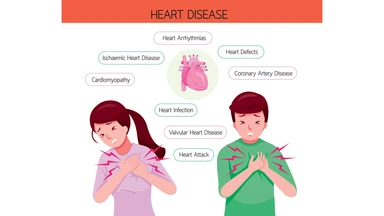
Heart disease includes dangerous ischaemic conditions, such as <i>atherosclerosis</i>, as well as relatively easy to manage diseases, such as <i>arrhythmias</i>. Aside from congenital conditions, heart diseases can result from lifestyle choices or from drugs used in treating disease or used unadvisedly.
May 1, 2025
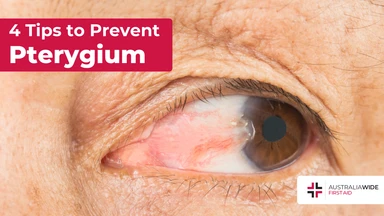
Pterygium, also known as surfer's eye, is an ocular surface disease characterised by a growth of limbal and conjunctival tissue over the cornea. Fortunately, you can practice many eye health habits to help prevent the development of pterygium and other risks.