

Anaphylaxis and Hypotension

Hypotension, or low blood pressure, can be caused by a wide range of factors. One of these factors is allergic reactions.
When someone goes into anaphylactic shock, they can begin to exhibit symptoms associated with hypotension, such as weakness, dizziness, blurred vision, and loss of consciousness.
It is important that people know how to manage anaphylaxis and its associated symptoms of hypotension, as low blood pressure can result in vital organs not receiving the oxygen and nutrients they need to function correctly.
Hypotension is low blood pressure. It means that the pressure of blood circulating around the body is lower than normal or lower than expected.
In healthy people, low blood pressure without any symptoms is generally not a concern and does not need to be treated. However, when blood pressure drops suddenly or occurs with symptoms, it can be indicative of a more serious health condition.
Symptoms of hypotension include light-headedness, dizziness, weakness, blurred vision and, in severe cases, loss of consciousness.
Anaphylaxis is the most severe type of allergic reaction. An allergic reaction, in turn, occurs when a person’s immune system overreacts to an allergen, or "trigger", that is generally harmless to other people.
When a person comes into contact with an allergen, their immune system responds by creating an antibody to attack and drive out the allergen. This then sets off a series of immune system reactions. For instance, the body suddenly releases chemical substances that are stored in blood and tissue cells, including histamines.
Histamines cause blood vessels to dilate and increase in permeability to allow fluid and cells of the immune system, such as white blood cells, to migrate to the area of inflammation - that is, the area where the allergic reaction is occurring. However, by increasing the dilation and permeability of blood vessels, histamines simultaneously cause a sudden and severe drop in blood pressure.
Hypotension can cause the following symptoms:
Low blood pressure can be caused by a variety of factors. These include:
If someone’s signs and symptoms suggest anaphylaxis, you should take the following steps:
For more information about managing anaphylaxis, read Guideline 9.2.7 by the Australian Resuscitation Council.
You can learn to manage allergy and anaphylaxis symptoms at one of our regular training courses:
If you're interested in learning more about allergy and anaphylaxis, you might like to check out the following articles in our Resource Library:
May 5, 2014
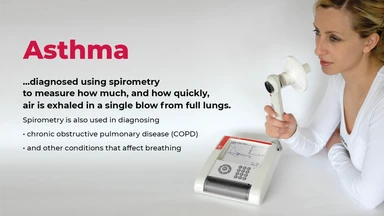
Asthma is one of the world's most pervasive chronic diseases. Australia has one of the highest prevalence rates in the world – more than two million asthmatics.

May 23, 2022
Most people are familiar with common food allergies, such as cow's milk, tree nuts, and shellfish. However, there are many non-food substances that can also cause allergy symptoms. It is important to recognise common non-food allergens, as they can sometimes cause severe allergy symptoms.

May 20, 2022
This week we celebrate Food Allergy Week, an initiative by Allergy & Anaphylaxis Australia (A&AA) to raise awareness about, and rally support for, people living with food allergies.