

Identify and Treat Insect Bites and Stings

Identify and Treat Insect Bites and Stings
First Aid for Insect Bites
First aid treatment for insect bites or stings changes on a case-by-case basis and depends on the type of insect that inflicted the bite.
It can be difficult to tell if an insect bite or sting will turn into something more insidious. A good start would be knowing the type of insect involved.
For most people, stings and bites from bees, ants, mosquitoes, flies and wasps, will not too worrisome. Symptoms will generally involve redness, itchiness, mild inflammation or pain.
However, this is not always the case…
Allergic reaction is the worry. This can result in severe symptoms, ranging from hives and swelling of the throat, face and lips, to shock, abdominal cramping, nausea and vomiting, through to breathing problems.
Allergic reaction from an insect bite or sting can quickly become life-threatening.
After penetrating the skin, an insect sting generally leaves behind saliva, venom, even faeces. It's also common for the “stinger” to be left behind. Whether it's venomous, or not, is the question…
Symptoms caused by an insect sting:
The stings that most commonly cause anaphylaxis are bee and wasp stings.
Wasps are far more aggressive than bees. While outdoors, it pays to stay out of harm's way and keep an eye on open food and drink containers. Wasps are drawn to food and sugary drinks.
Do not use tweezers to pull out a bee's stinger. This would serve to squeeze more venom from the sack attached to it.
Instead try to coax the stinger out with a swift motion, using the edge of a credit card or a fingernail. Removing the stinger so quickly and without pinching, avoids the release of more venom.
With the stinger removed, wash the region with soap and water.
Wasps don't generally leave their stinger behind.
For milder reactions from a wasp sting, apply a cold pack and a soothing cream. Oral antihistamines can be taken to help calm itching sensations.
If anaphylaxis occurs after a bee or wasp sting, an epinephrine auto injector should be used.
Where no epinephrine is available and in all cases other than for mild anaphylactic symptoms, an ambulance should be called without delay.
If a hospital is close by, take the victim directly to the emergency ward.
For scorpion and centipede stings, use an ice pack to reduce inflammation, before cleaning the wound with either antiseptic or soap and water. The victim may need analgesia for pain relief.
For caterpillar stings, use tweezers to pull out larger hairs, and adhesive tape to remove finer hairs.
Wash the mosquito bite site with soap and water or apply an antiseptic. A cold pack can help relieve swelling and reduce symptoms.
If cold or fever like symptoms follow from the mosquito bite, the person should seek medical attention immediately.
Ticks embed themselves quite firmly in their host. Care needs to be taken when trying to remove them.
Tweezers or fingernails can easily result in pinching the tick, which will result in squeezing more of the allergen into the host's body.
Instead, freeze the tick, using an ether-based product from your pharmacy. The tick will die then usually fall out by itself. Once the tick is out, apply antiseptic cream to the bite site.
Alternatively, arrange for medical assistance.
You will be better prepared to treat bites and stings from insects — as well as handling many other medical emergencies — when you learn first aid.
Australia Wide First Aid courses teach all-important first responder skills and knowledge, including CPR.
Learn more about our courses now.
For scorpion and centipede stings, use an ice pack to reduce inflammation, before cleaning the wound with either antiseptic or soap and water. The victim may need analgesia for pain relief.
For caterpillar stings, use tweezers to pull out larger hairs, and adhesive tape to remove finer hairs.
Wash the mosquito bite site with soap and water or apply an antiseptic. A cold pack can help relieve swelling and reduce symptoms.
If cold or fever like symptoms follow from the mosquito bite, the person should seek medical attention immediately.
Ticks embed themselves quite firmly in their host. Care needs to be taken when trying to remove them.
Tweezers or fingernails can easily result in pinching the tick, which will result in squeezing more of the allergen into the host's body.
Instead, freeze the tick, using an ether-based product from your pharmacy. The tick will die then usually fall out by itself. Once the tick is out, apply antiseptic cream to the bite site.
Alternatively, arrange for medical assistance.
You will be better prepared to treat bites and stings from insects — as well as handling many other medical emergencies — when you learn first aid.
Australia Wide First Aid courses teach all-important first responder skills and knowledge, including CPR.
Learn more about our courses now.
Wash the mosquito bite site with soap and water or apply an antiseptic. A cold pack can help relieve swelling and reduce symptoms.
If cold or fever like symptoms follow from the mosquito bite, the person should seek medical attention immediately.
Ticks embed themselves quite firmly in their host. Care needs to be taken when trying to remove them.
Tweezers or fingernails can easily result in pinching the tick, which will result in squeezing more of the allergen into the host's body.
Instead, freeze the tick, using an ether-based product from your pharmacy. The tick will die then usually fall out by itself. Once the tick is out, apply antiseptic cream to the bite site.
Alternatively, arrange for medical assistance.
You will be better prepared to treat bites and stings from insects — as well as handling many other medical emergencies — when you learn first aid.
Australia Wide First Aid courses teach all-important first responder skills and knowledge, including CPR.
Learn more about our courses now.
October 23, 2014
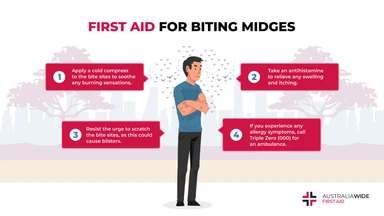
Only the female biting midge bites. She does this by breaking the victim’s skin and injecting saliva that prevents the blood from clotting. She then consumes enough protein from the blood to help develop a batch of eggs.
January 20, 2017
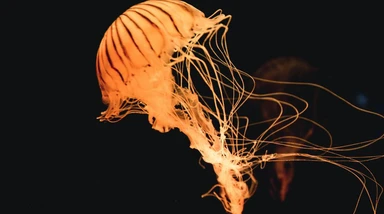
First aid treatment for bites and stings from creatures in the sea is important, not just for pain relief, but because they could cause a severe allergic reaction and anaphylaxis.
January 21, 2021
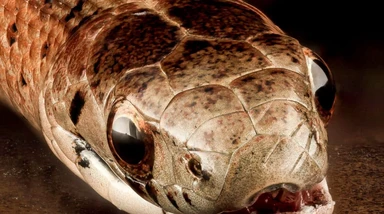
More deaths would no doubt result if we did not have access to anti-venom to treat these bites. When a snake bite has occurred, it is not necessary to catch or kill the snake in order to identify it.