

5 Common Mind Health Issues in Women: Causes, Symptoms & Treatments

Mind health refers to a person’s mental and emotional state.
When a person has good mind health, they can be productive during their day and make a meaningful contribution to their local community.
Conversely, when a person’s mind health is disrupted, they can find it difficult to cope with everyday activities and stresses.
Though everyone can be plagued by poor mind health, women are particularly susceptible to dementia, postpartum depression, eating disorders, and a host of other mental and neurological conditions.
In fact, of the estimated 386,200 people living with dementia in Australia in 2021, almost 63% of them were women (according to the Australian Institute of Health and Welfare)
It is important for women to recognise the mind health conditions for which they are most at risk. That way, they can pursue treatment options to manage the risk factors and symptoms, and ultimately live a full and happy life.
To that end, we are going to explore the causes, symptoms, and treatments of common mind health issues among women.
Dementia refers to a host of neurological conditions that are characterised by impaired brain function, which can impact a person’s speech, mobility, behaviour, memory, and cognition.
There are several different forms of dementia, including:
No cure currently exists for Alzheimer’s disease, vascular dementia, or Lewy body dementia.
However, you can manage several modifiable risk factors associated with dementia, including:
Anxiety is the body’s natural response to real or perceived threats. It is an emotion characterised by feelings of worry and tension, and it can sometimes be accompanied by physical symptoms like sweating, trembling, and a fast heart rate.
Anxiety is not the same as an anxiety disorder, as people with anxiety disorders experience intense and excessive fear that persists beyond the stressful situation and into everyday life.
There are several different types of anxiety disorders, including panic disorder, social anxiety disorder, and generalised anxiety disorder (GAD). Today we will be focusing on GAD, as it tends to affect women more than men (according to Beyond Blue).
Generalised anxiety disorder(GAD) is characterised by chronic apprehension and worry, typically in relation to minor issues or events that are unlikely to occur.
People with GAD tend to overthink plans and solutions with worst case scenarios in mind. As such, they can struggle with uncertainty, indecisiveness, and letting go of worry, to the point that it interferes with their daily life.
A combination of factors can influence whether a person will develop GAD, including:
As well as chronically worrying about everyday life, people with GAD can experience:
There are a variety of self-help and professional strategies for managing GAD, including:

Depression is an umbrella term for mental health conditions that negatively impact how a person thinks, feels, and acts.
There are several different types of depression disorders, including bipolar disorder, major depressive disorder, and postpartum depression (PPD). Today we will focus on PPD, as it is estimated that approximately 14% of women in Australia experience PPD.
Postpartum depression (PPD) is a form of depression that can occur up to 12 months after the birth of a child.
There are several factors that can contribute to the development of PPD, including:
As well as feelings of hopelessness, symptoms of PPD can include:
There are a variety of self-help and professional strategies for managing PPD, including:
An eating disorder is a mental health condition in which a person develops distorted thoughts, behaviours, and attitudes about food, eating, and body shape.
There are several different types of eating disorders, including anorexia nervosa (anorexia), bulimia nervosa, and binge eating disorder. Today we will be focusing on anorexia, as eating disorders are the third most common chronic illness in young women, with females significantly more affected than males, according to research shared by The Butterfly Foundation and partner data The Butterfly Foundation and partner data.
Anorexia nervosa (anorexia) is an eating disorder signalled by an intense fear of gaining weight. Despite having an abnormally low body weight, people with anorexia generally view themselves as overweight and will restrict their caloric intake and exercise excessively to prevent or subvert weight gain.
There are several factors that can contribute to the development of anorexia:
A variety of different behavioural and emotional symptoms can signal anorexia, including:
Anorexia can be difficult to treat, as many sufferers may not view their symptoms as problematic or harmful. However, there are plenty of professional treatment options available, and recovery is very much possible:

Brain fog is not a medical condition – rather, it is a set of symptoms that can affect your ability to think.
Brain fog can be triggered by a variety of contributing factors, including:
When a person experiences brain fog, they may find it difficult to focus or put their thoughts into words. It can also be characterised by:
There are a variety of self-help and professional strategies for managing brain fog, including:
For more information about the link between brain fog and menopause, head to the Jean Hailes for Women's Health website.
Mind health is vital to our overall wellbeing, as good mind health allows us to cope with life's stresses and make meaningful contributions to the local community.
Poor mind health is not unique to women. However, women are particularly susceptible to a handful of mental and neurological conditions, including dementia, generalised anxiety disorder, postpartum depression, anorexia nervosa, and brain fog.
Though some of these conditions may require medical treatment, many of their risk factors can be managed at home by nourishing the body with good food, good sleep, and plenty of supportive therapies.
For more information on how to proactively manage your health and wellbeing, head to our website and book a First Aid course with us today!
September 3, 2022
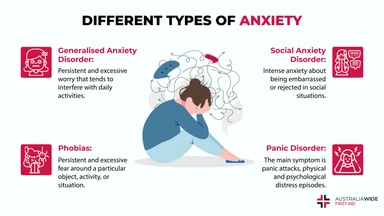
Anxiety is an umbrella term for a variety of disorders that are characterised by excessive fear or anxiety. It is important to know the symptoms, causes, and treatments of these disorders, as they can impair a person's work, health, and relationships.
September 1, 2022
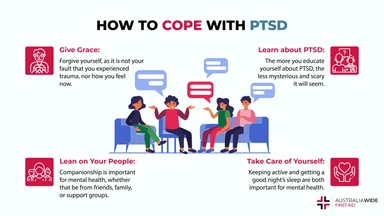
PTSD is a mental health disorder in which a person who has seen or experienced a traumatic event continues to have disturbing thoughts or feelings about the event. Though PTSD can be crippling, coping mechanisms and treatment options are available for sufferers.
August 29, 2022
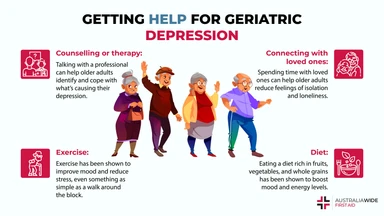
Geriatric depression is a mental health condition in which elderly people experience persistently low moods. It is important to know the causes and symptoms of geriatric depression, as it can lead to other problems like social isolation.