

Anaphylaxis and Anesthesia

Severe allergic reactions to anaesthetic are rare and only occur in approximately 1 in 10,000 to 1 in 20,000 procedures in Australia.
During day surgery, other factors such as antibiotics, natural rubber latex and neuromuscular blocking agents are more likely to trigger an anaphylactic reaction than the anaesthetic itself.
Severe allergies to anaesthesia are a serious problem because it may be difficult for your anaesthesiologist to observe some of the usual early symptoms associated with anaphylaxis. Symptoms that may be difficult to detect include light headedness and shortness of breath.
Although some warning signs are hard to identify during anaesthesia, anaesthesiologists are specially trained to recognise allergic reactions. If allergy symptoms, such as bronchospasm, swelling or hypotension, are detected your anaesthesiologist will act quickly to establish the appropriate treatment. This treatment may include administration of epinephrine (adrenaline), the insertion of a breathing tube, or administration of intravenous fluids.
If you have experienced an allergic reaction to anaesthetic or other medications in the past you should tell your anaesthetist. Your anaesthetist will then ensure that the substances you are allergic to are not used and will be prepared for a potential reaction.
During a typical general anaesthetic, a variety of drugs are given. If you have an allergic reaction during surgery, tests will be carried out afterwards to determine what you are allergic to.
Having an allergic reaction to one anaesthetic drug does not mean you can never have an anaesthetic again. If you or a family member have had an allergic reaction during surgery you should discuss this with your doctor and have tests to determine which substances you are actually allergic to.
For more information about anaphylaxis read ‘What is anaphylaxis’ or Guideline 9.2.7 by Australian Resuscitation Council.

October 4, 2013
Though exercise is an important factor in staying fit and healthy, it can be a trigger for asthma. In saying that, with careful management and control, people with asthma can continue to enjoy their usual activities.
October 4, 2013
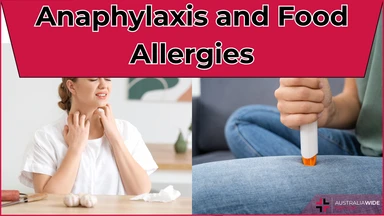
Australia has one of the highest incidences of food allergy in the world. Allergic reactions to food can range from mild to life threatening. As such, it is important to know how to prevent, identify, and treat allergy symptoms.

October 4, 2013
Hypotension refers to low blood pressure. It can be a severe and life-threatening condition, as low blood pressure can starve vital organs of oxygen and nutrients. One cause of hypotension is anaphylaxis.